
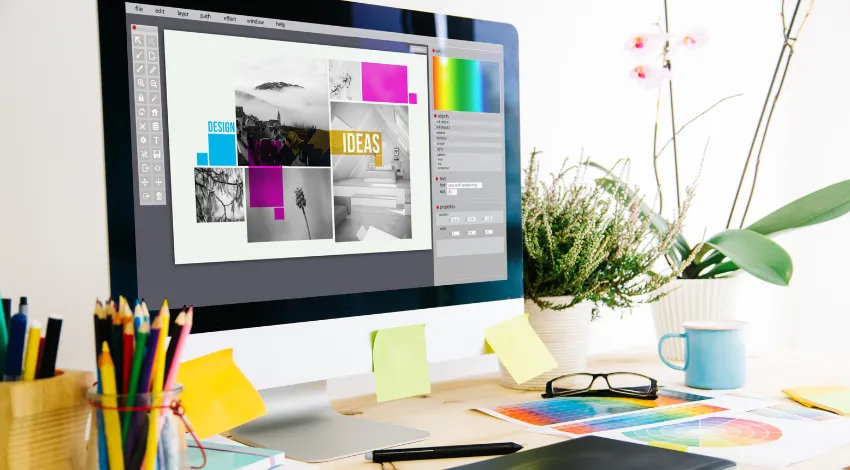
Graphic design school is often the first place beginners discover that creativity can be shaped into a practical, real-world skill.
I remember sitting in my first class, thinking I already knew design because I liked making things look good.
That idea disappeared the moment I received my first critique.
Design was not about taste anymore; it was about communication, clarity, and intention.
A structured creative education introduces how visual elements influence emotion, behavior, and decision-making.
Instead of guessing, you learn to make choices backed by logic and strategy.
Early feedback sessions were uncomfortable for me, but they taught me how professionals think.
That shift changed how I approached every creative challenge afterward.
What Beginners Actually Learn in Design Programs
Most people expect software tutorials on day one, but education in visual design starts deeper than tools when enrolling in a graphic design school.
You begin by understanding composition, balance, hierarchy, and how the eye moves across a page or screen.
These fundamentals shape every logo, poster, website, or ad you will ever create.
In my first semester, we designed layouts using only black and white shapes.
There was no Photoshop safety net, just problem-solving with space and contrast.
That exercise made it clear that strong ideas matter more than fancy effects.
Courses often progress into digital illustration, typography systems, branding, and user-focused design.
You also learn how to present ideas clearly, which becomes critical in client or team environments.
Explaining why you chose a design direction builds confidence and professional credibility.
Why Structure Matters More Than Talent
Natural creativity helps, but structure turns interest into a usable skill.
A guided learning environment forces consistency, deadlines, and accountability.
When I tried learning on my own, I avoided difficult concepts and skipped revisions.
Formal instruction removed those shortcuts and accelerated improvement.
Design fundamentals build a repeatable process you can rely on under pressure.
That structure becomes invaluable when deadlines are tight or feedback is demanding.
Over time, discipline outperforms raw talent in professional settings.
Learning Through Real Projects and Honest Feedback
Hands-on assignments simulate real creative challenges.
You are asked to solve problems with constraints, not unlimited freedom.
One project required designing a brand identity for a local business with strict limitations.
That experience felt real because it mirrored actual client expectations.
Critiques train you to listen, adapt, and improve without taking feedback personally.
At first, criticism feels uncomfortable.
Eventually, it becomes a powerful tool for growth.
This mindset is essential for long-term creative success.
Career Opportunities After Design Training
Many beginners think design leads only to freelancing or logo creation.
In reality, visual communication skills open doors across many industries.
Graduates move into branding, digital media, marketing, interface design, publishing, and advertising.
I originally planned to work only on print projects.
Instead, I transitioned into digital campaigns and interactive layouts.
Strong foundational training makes career pivots easier as industries evolve.
Design Thinking Versus Software Skills
Software knowledge is important, but tools change constantly.
Design thinking remains relevant regardless of platform or trend.
Understanding audience needs and visual hierarchy matters more than mastering shortcuts.
I have seen designers struggle because they focused only on tools.
Those who understood the strategy adapted faster and produced better work.
Strong programs emphasize thinking before execution.
Building a Portfolio That Reflects Growth
A portfolio should tell a story, not just display finished pieces.
Employers want to see how you think, research, and solve problems.
Early in my journey, I showcased only polished designs.
Later, I learned that process mattered just as much as results.
Projects completed during training often form the foundation of a professional portfolio.
They show progression, consistency, and adaptability.
A strong body of work can open doors before graduation.
Choosing the Right Learning Environment
Not all creative programs offer the same value.
Look for instruction that balances theory, technical skills, and practical application.
Experienced mentors and real-world assignments make a significant difference.
Ask whether critique is part of the learning process.
Check if the curriculum reflects current industry needs.
These details shape how prepared you feel entering the workforce.
Is Formal Design Education Worth It
Many beginners wonder if structured learning is necessary.
Education provides mentorship, feedback, and accountability that self-study often lacks.
My biggest growth came from being challenged, not from comfort.
Design training also builds professional habits.
You learn how to communicate ideas, revise work, and meet expectations.
Those skills often matter more than creativity alone.
Final Thoughts for Beginners Starting Out
Every designer starts uncertain and inexperienced.
Growth comes from learning fundamentals, practicing consistently, and accepting feedback.
Design is not about being the most artistic person in the room.
It is about solving problems visually and communicating clearly.
With the right foundation and commitment, beginners can build meaningful, creative careers.
At diginee, we understand the importance of local SEO for business success and have been helping companies reach their full potential when it comes to digital marketing. Some of our success stories include Avive Solutions and Sealskin Medical Wrap.
Contact us today to learn more about our Growth Marketing SEO Services and get a free consultation for your business. We are here to help you!
ONE REQUEST?
I’ve put so much effort into producing this content to provide value to the community. It’ll be very helpful for me if you consider sharing it on social media networks. SHARING IS ♥️